
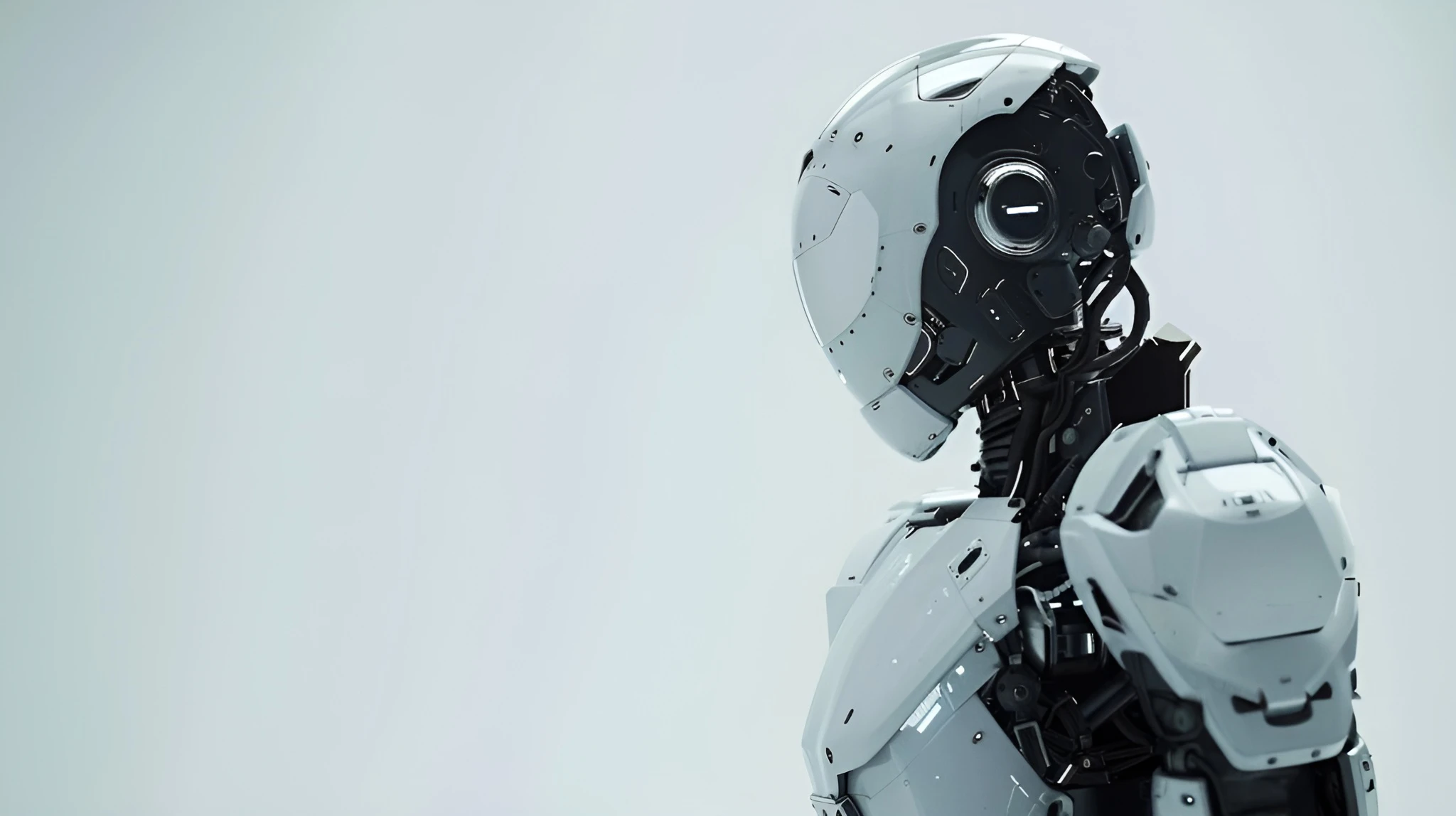
Self-care has traditionally been about practices like meditation, journaling, exercise, and setting boundaries. In recent years, however, technology has begun to play a transformative role in how people manage their mental and emotional well-being. One of the most exciting developments is the integration of Artificial Intelligence (AI) into emotional wellness tools. From chatbots that provide supportive conversations to AI-driven mood trackers, this technology is reshaping the future of self-care.
AI as a Personal Wellness Companion
The idea of having a personal wellness coach used to be limited to those with resources and access to therapy. AI is changing that by making support more accessible, affordable, and personalized.
AI-powered apps can analyze user inputs—such as mood logs, journal entries, or voice recordings—to provide tailored self-care recommendations. For example, if someone reports high stress levels, the app might suggest guided breathing exercises or uplifting audio content. Over time, the system learns patterns, becoming more effective at predicting what a person needs to feel better.



Emotional Check-Ins with AI
Checking in with yourself is an important part of self-care, but many people struggle to identify or articulate their emotions. AI tools can help bridge that gap by using natural language processing to analyze text or speech and provide insights.
Imagine typing a journal entry into an AI-powered app, and it detects underlying tones of sadness or fatigue—even if you didn’t explicitly say so. The app could then encourage you to take restorative action, such as going for a walk, calling a friend, or practicing mindfulness. This proactive feedback loop can prevent emotional strain from escalating.
AI in Therapy and Mental Wellness Support
While AI is not a replacement for licensed therapists, it can complement therapy by providing round-the-clock support. For instance, AI chatbots designed for emotional wellness can engage users in empathetic conversations, helping them process feelings when human support is unavailable.
Additionally, AI can assist therapists by tracking a patient’s mood trends and flagging concerning patterns, allowing for more focused and efficient sessions. This hybrid model blends technology with human empathy, ensuring people get both immediate care and deep therapeutic insight.
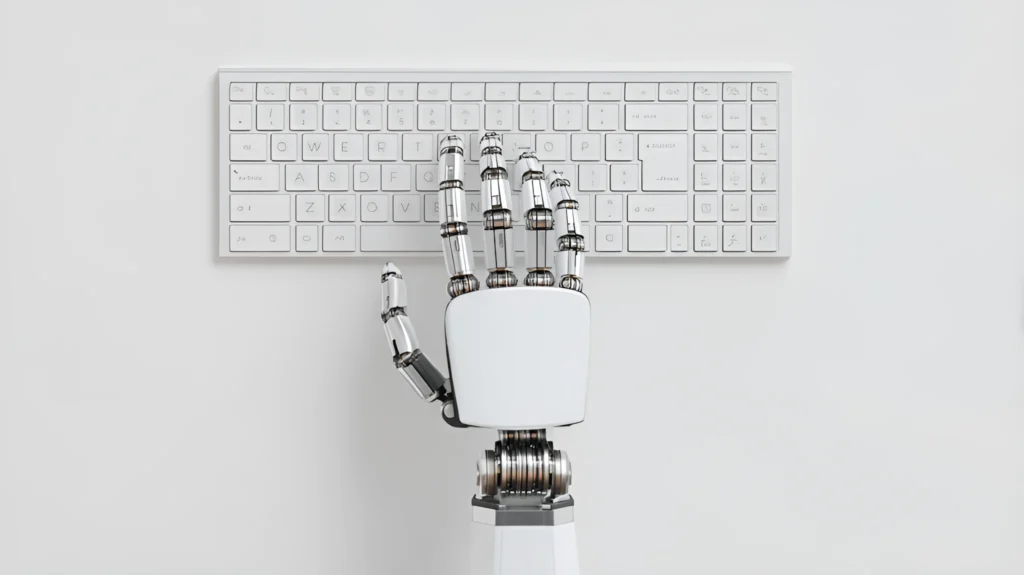
Personalized Self-Care Routines
AI thrives on personalization. In self-care, this means no more one-size-fits-all approaches. Instead, AI can design daily wellness routines based on a user’s unique needs. For example:
- If someone struggles with sleep, AI might recommend calming podcasts before bed.
- If stress spikes at work hours, AI could suggest short breathing breaks or gentle stretches.
- If loneliness is detected, it may encourage social engagement activities.
This dynamic personalization ensures that self-care practices adapt in real time, making them more relevant and sustainable.
AI-Powered Mindfulness and Meditation
AI is also revolutionizing mindfulness practices. Advanced meditation apps now use AI to adjust session length, background music, or guided instructions depending on a user’s stress level or focus. Some even integrate with wearable devices, monitoring heart rate and breathing to optimize meditation practices.
For example, if the AI notices rising stress through biometric signals, it might immediately suggest a short, calming exercise. These real-time adjustments create a highly personalized mindfulness experience that feels supportive and responsive.
Power up your shopping experience — where innovation meets convenience, and every click brings you closer to what you love.

Emma Larson
Overcoming Loneliness and Building Connection
Loneliness is a growing concern in modern life, and AI is stepping in to help people feel less isolated. AI-powered chat companions provide safe spaces for expression, especially for those who may not feel comfortable opening up to others. While these tools can’t replace human connection, they can serve as a bridge—helping users feel heard while encouraging them to nurture real-world relationships.
Some platforms are even experimenting with group-based AI moderation, where people can join wellness communities and AI helps guide discussions, ensuring supportive and inclusive interactions.
The Ethical Side of AI in Wellness
As with all technology, integrating AI into emotional wellness brings ethical considerations. Concerns about data privacy, emotional dependency on AI, and the accuracy of emotional detection must be addressed. Developers are increasingly prioritizing transparent data policies, secure encryption, and clear disclaimers that AI is not a substitute for professional mental health care.
The future of AI in wellness will require a balance: leveraging its benefits while protecting users’ privacy and ensuring ethical standards.

Conclusion
The future of self-care lies at the intersection of AI and emotional wellness. By providing personalized support, emotional check-ins, mindfulness tools, and connection opportunities, AI is making self-care more accessible and effective. While it should never replace human empathy and therapy, AI has the potential to complement and enhance how we nurture our mental and emotional health.
As technology continues to evolve, self-care will no longer be just a personal practice—it will become an intelligent, adaptive, and deeply supportive experience.

Dodaj komentarz